We are finally getting through the longest part of winter and I thought today would be a good time to talk about what happens around here during winter when we have snow and cold weather to deal with and we aren’t growing crops in the fields.
 We are pretty thankful that this winter has been relatively mild. The cold days do get long but we kind of just put our heads down and push through them. This is our fourth winter with robots and we have learned more with each season. Three years ago when we were still pretty new to robots we had an awful winter and that really put us to the test. I wish someone would have told me “do this” or “do that” ahead of time but we kind of got baptized by fire and figured it out.
Growing up milking cows in the classic red dairy barn, we had a lot of the same kinds of challenges that we still have today in our modern freestall barns, but we have also improved. Back then we had to worry about getting the barn cleaner to work when it’s cold and now we have to make sure our alley scrapers stay running. Back then we might have a drinking cup freeze and flood the barn, now we have waterers that we have to keep an eye on. And a newborn calf born on a cold day is just as high of a priority to take care of today as it was when I was a kid. Because we have people here 24/7, we are able to keep a really close eye on our maternity pen and get new babies warmed up right away.
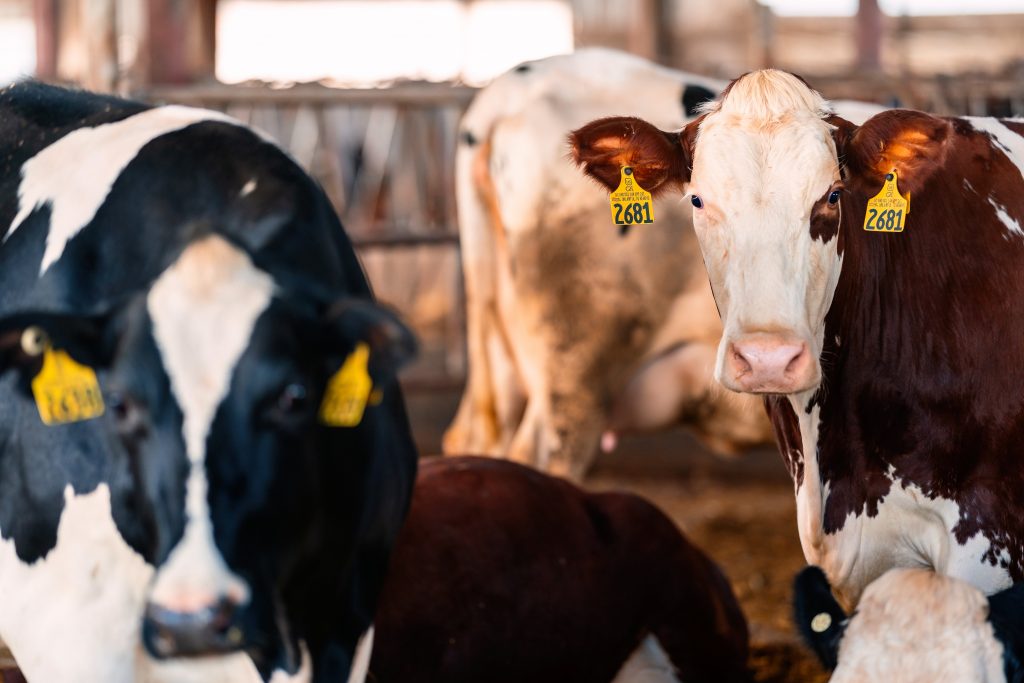
One of the biggest changes between how things were done in the old barn versus how they are done now is that our cows get to keep their routine more. Back then on the coldest days we couldn’t let the cows outside or could only let them out for a short amount of time because we needed their body heat in the barn to keep everything from freezing up. Today our barns are built in a way that the cows can move around and interact with each other the same on a day where it’s -30 as a day where it’s 80.
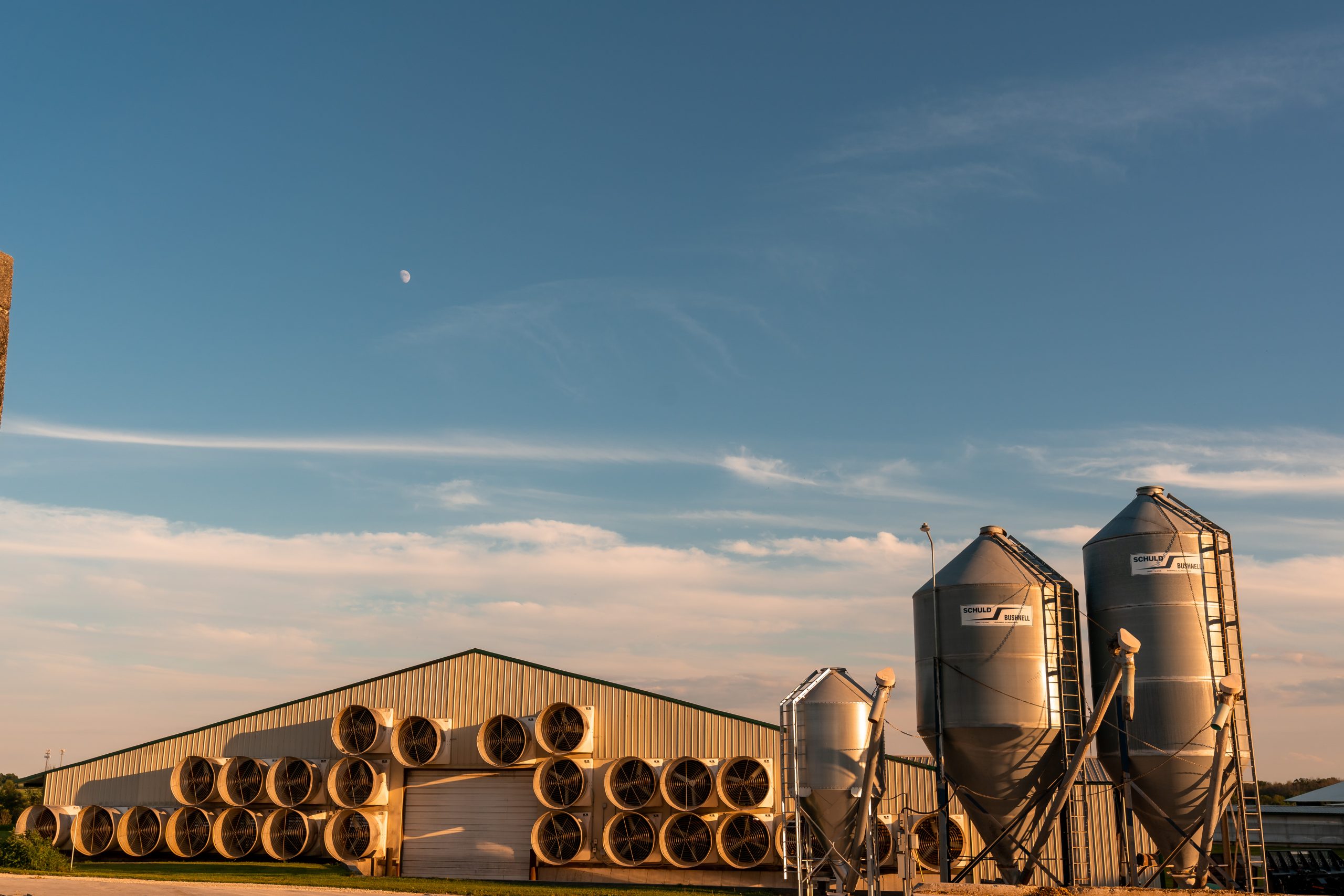
The ventilation in our barns in all seasons is so much better than what I grew up with. The older style barns were warm for the cows and people but they were challenging to keep good air quality on the coldest days. Now we have a really great system of fans and vents that keep the cows comfortable and the air in the barns from getting stale all year round. Our modern barns aren’t perfect but since we built them we’ve learned from mother nature’s weather lessons and have modified the buildings to make things easier and keep them running even on the coldest days. We have made improvements, but you definitely still need to stay on your toes.
A lot of people who don’t know better probably think that especially with milking robots, that we don’t work as much in the winter as we do in the summer but there is still just as much happening on a farm, although the work looks different. In addition to clearing snow and keeping things running in cold weather, we also use winter as a time to make plans, a time to catch up on paperwork, expand our knowledge and take on the little projects that get put off during the growing season.
The crops we plant in the spring were planned for over winter. We use the downtime to check how much feed we have in storage, that helps us make sure we can adjust our cow diets if needed to stretch what we have on hand until the new crops are harvested. Doing feed inventory helps us to plan out what we will be planting in each field too. We also look at our nutrient management plan to figure out our fertilizer needs for each field. A good growing season starts long before the first seed hits the soil.
This time of year is also the meeting season for farmers. Obviously this year is different but in a normal year this is when conferences and workshops are held for farmers to go and learn from industry professionals and catch up with our farming friends.
As I finish writing this the sap is starting to run and I know we will be making maple syrup soon. Spring is around the corner!