We often share the good parts of what we do here on the farm with all of you, but I think it is important to share what farming is really like, even when it is difficult. So today I am sharing what cost us many hours of sleep as well as a lot of money over the last couple of months.
In mid-December our cows suddenly stopped eating their feed and our milk production dropped significantly. At first, we thought it was just a hiccup, but as time went on we really started to worry. As we reached out to our Dr Chris Booth, our veterinarian and Dr Steve Woodford, our nutritionist, we found out that we were not alone. In fact, several farms in our area were also experiencing cows off feed and drops in milk production.
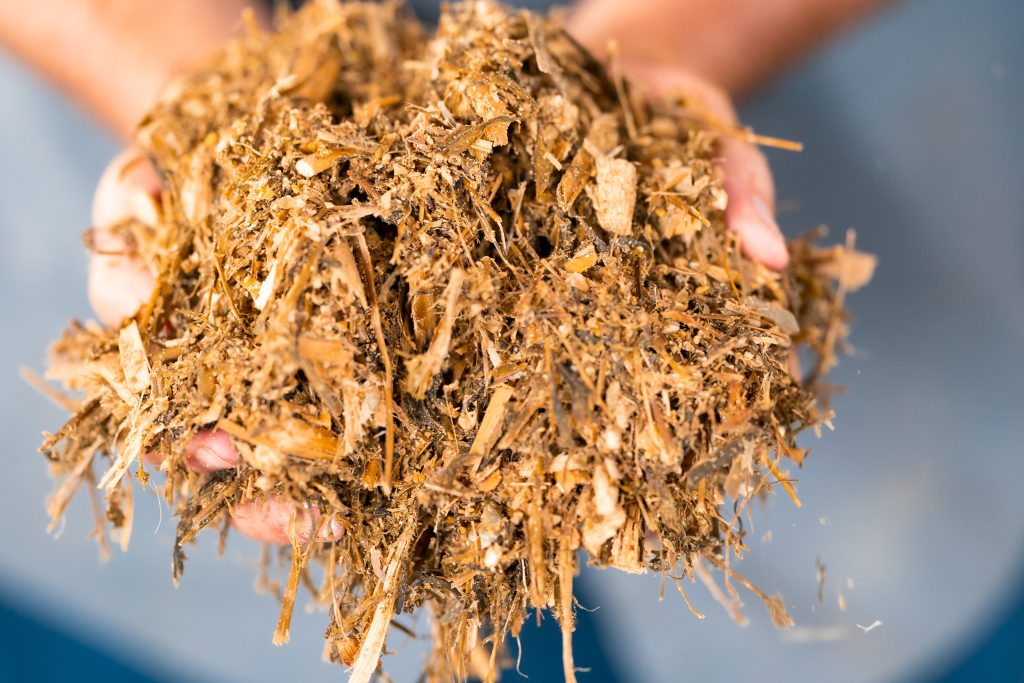
At first, the thought was that there was winter dysentery going around, spread by birds this would account for several farms having the same problem. However, the cows had no other symptoms of illness and all of the cows seemed to be struggling at the same time rather than the illness rolling through herds slowly. From there the next logical thought was that something in the growing conditions in our area had created an issue in our feed as well as the feed at the farms around us. Feed samples were taken and analyzed, and nothing was found to be amiss.
While we were talking with our professionals and sending our feed off to be tested, the low milk production continued, days turned into weeks and then a month and we had no answers as to what was going on or how to fix the problem. Then we got word through our nutritionist that one of his other clients had made a tiny change to their feed that resulted in an overnight positive change to his herd. We tried the same change suddenly the cows were diving back into their feed and eating as they should.
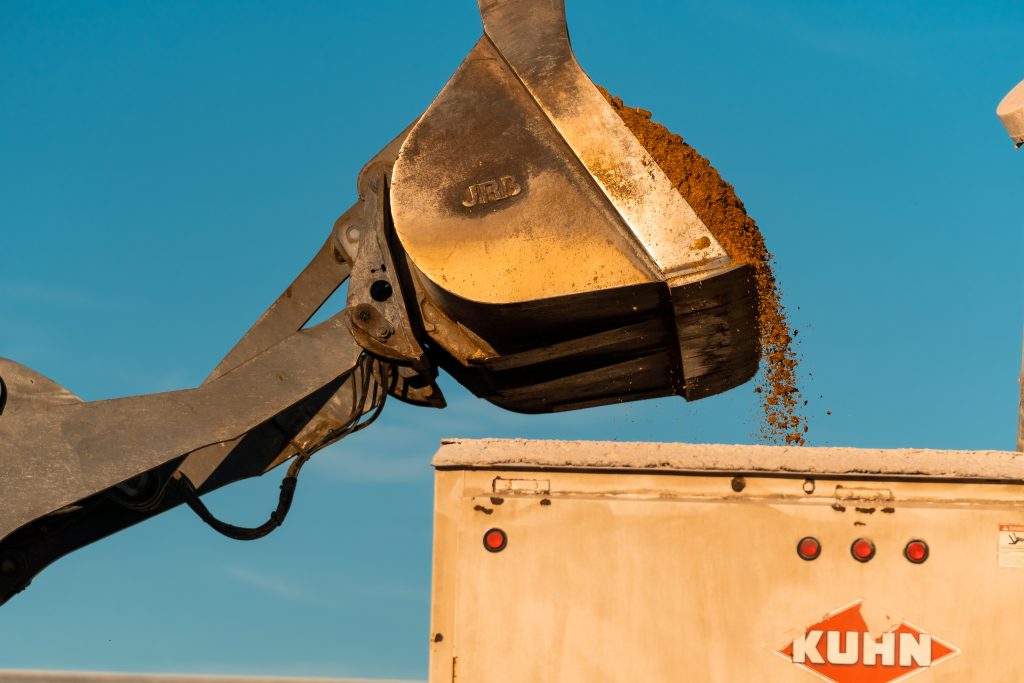
So what was the change? One of the smallest ingredients we feed our cows. In every batch of the protein and mineral mix that we add to our homegrown cow feed, there’s a small amount of bicarb added. Better known as baking soda, bicarb is added to help with any stomach upset the cows may have. After digging for more information to figure out how something so small had such a major impact on our cows, we found out that the new shipment of bicarb that our local feed mill had received had higher levels of an organic compound that cows simply did not like either the taste or smell of. Once the offending bicarb was removed, the cows were happy with their feed again and quickly started making up for lost time at the feed bunk.
Sometimes it’s the tiniest of details that can change everything. While our Christmas celebrations with our families were spent with a dark cloud of what was happening in the barn and our days since were spent making phone calls trying to find answers, we are thankful to have answers now. Our cows are once again eating well and even though milk production hasn’t fully recovered, we are glad to have this chapter behind us.