Dairy farming can be related back to everyday life in a lot of different ways, especially if people have kids or pets. Since we have a lot of people come to our farm on tours, we have a lot of questions that I’ve found can be related back to non-farm life.
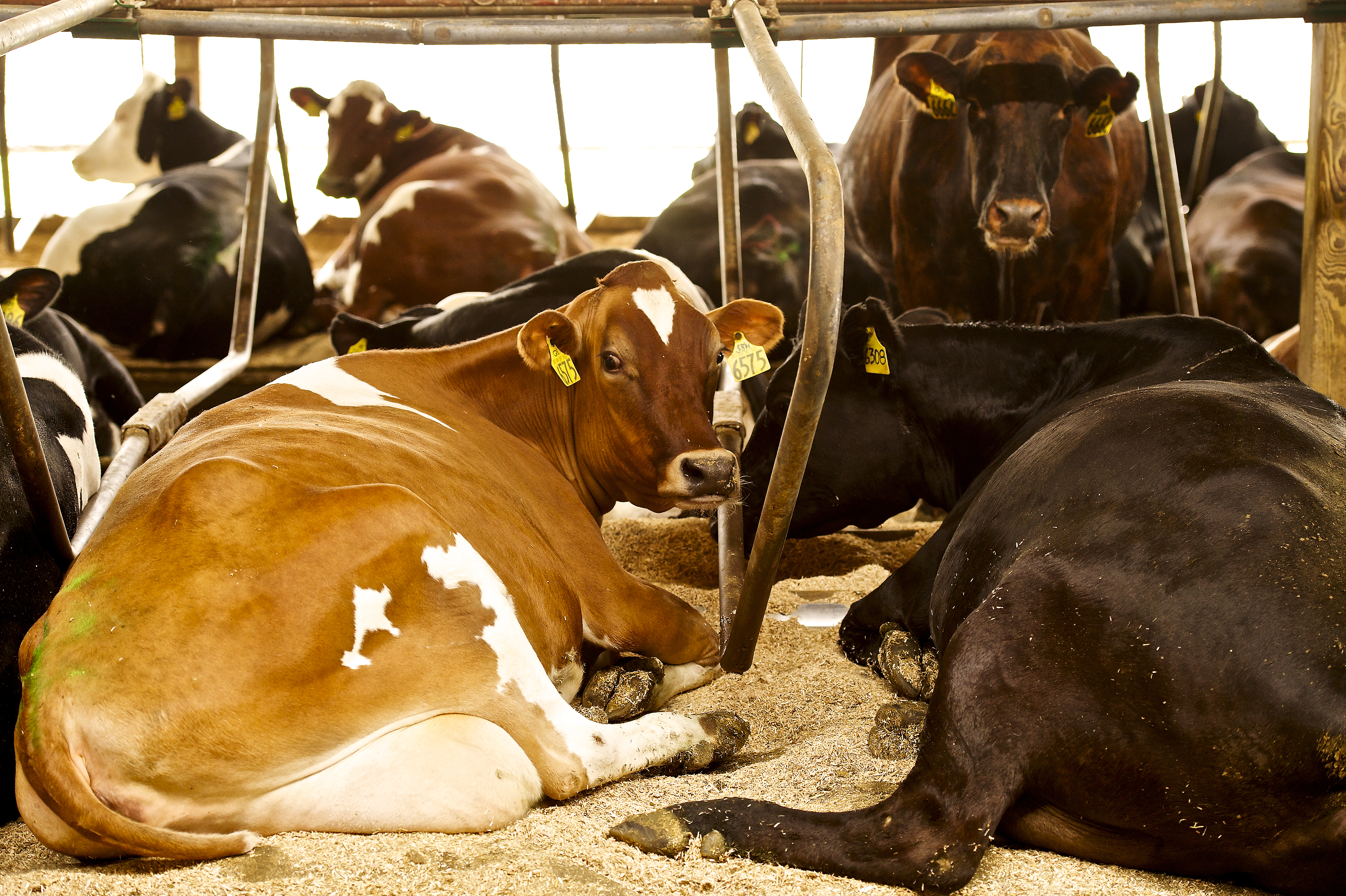
On one tour, I was asked how important animal welfare and the care of animals are to our farm. The answer is easy: very important. The question was asked because one of the cows standing at the feed bunk was missing some hair on her back knee (also called her hock). I was able to relate this back to someone having a dog at home.
Sometimes a dog gets a little callous on their elbow and the hair falls out in that area. The dog isn’t ill-treated; it’s just something that happened because of the way the dog lays down. It’s the same with cows – if they lost a little bit of hair on their knees, she’s not mistreated at all. It’s just the way her body is positioned when she’s laying down.
We often get asked about the cows getting vaccinated. With this, prevention is key. People bring their kids to the doctor to get vaccinations or boosters to prevent diseases – we do the same for the cows, except the veterinarian comes to us. A big part of caring for the cows is being proactive instead of reactive, just like getting a flu shot to prevent the flu.
It’s the same with giving the cows antibiotics. A lot of people don’t hesitate to give their pets, or even their kids, antibiotics if they have an infection. We treat our cows the same way. There are never antibiotics given to the cows unless prescribed by the veterinarian.
A lot of times, we’re asked questions that come from a general negative perception of dairy farming. The reality is that the things we do for our cows are often the same things people do for their pets. The biggest difference is the size of the animal.