Every year I go to California to attend World Ag Expo. This year, my family came out with me for a few days before the Expo for a nice vacation. I love seeing the new ideas and technology available to the agriculture community. It sure has come a long way since people were working their fields with draft horses pulling plows.
January seemed to be a long month getting our budget finalized and finishing up our planning for 2018. Now, I blinked, and February is done, and we’re halfway through March. This year’s weather hasn’t been as crazy and unpredictable as last year’s. Early in March we got about five inches of snow, but that’s ok. What really hurt us last year was the extreme freezing and thawing we had throughout January and February.
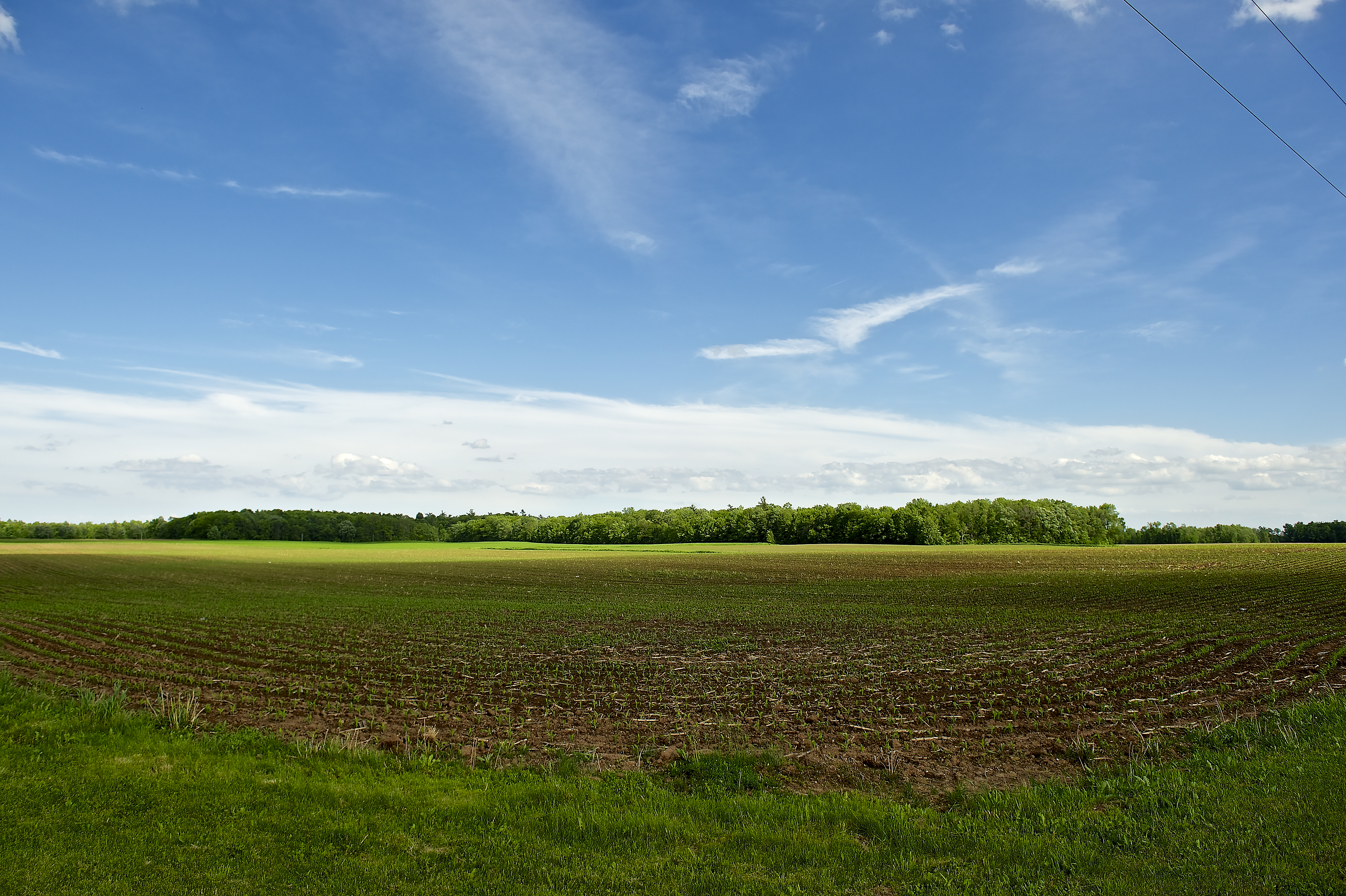
We don’t have any water sitting in the fields at this time of year like we did last year. As of right now, our alfalfa fields should be fine and not need replanting. We always know that anything can happen though — a late spring snow storm followed by 60-degree temperatures. Hopefully that won’t happen this year!
Our winter wheat fields are also looking pretty good. Winter wheat is planted in the fall and harvested in early August as a grain. Winter wheat is used as a cover crop for us, so it prevents soil erosion over winter. One of the benefits of winter wheat, aside from the fact that it’s really easy to manage, is that it helps build organic matter in the soil. The organic matter holds nutrients and water, so it is essential for plant growth.
Right now, we’re in a sort of holding pattern waiting for spring to come. We’ll be ready when it does.